

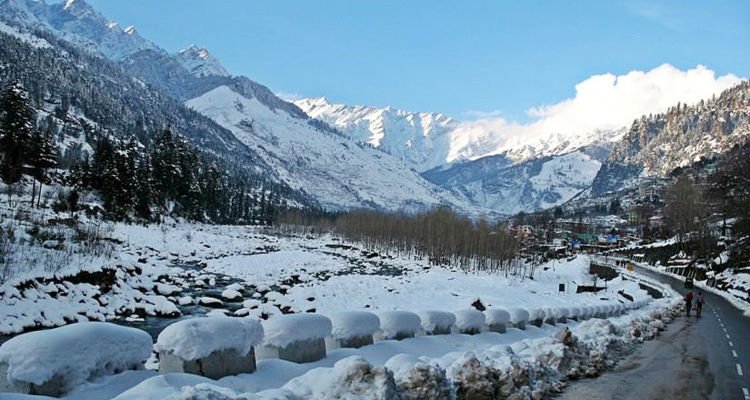
Travelling to Manali, located in Himachal Pradesh, is a year-round destination known for snow-capped peaks, skiing in winter (Dec-Feb), and cool summers. Key attractions include Hidimba Temple, Old Manali, Rohtang Pass, and Solang Valley. Access is via road from Delhi/Chandigarh, or by flying into Bhuntar Airport (52 km away).
Best Time to Visit
- Summer (March – June): This is the peak season for general tourism. The weather is pleasant (10°C to 25°C), making it ideal for sightseeing, trekking, and paragliding.
- Winter (October – February): Best for snow lovers. Heavy snowfall typically occurs from late December to February. Peak snowfall in 2026 is expected in January.
- Monsoon (July – September): Generally considered the worst time to visit due to heavy rainfall and the risk of landslides, although hotel prices are at their lowest.
How to Reach
- By Road: The most common method. Volvo buses from Delhi or Chandigarh take approximately 12–14 hours. In 2026, an ordinary bus from Delhi costs ₹700–₹900, while a Volvo costs ₹1,200–₹1,500.
- By Air: The nearest airport is Bhuntar (Kullu), about 50 km from Manali. Flights from Delhi or Chandigarh are often irregular and expensive.
- By Rail: There is no direct station. The nearest major railheads are Chandigarh (310 km) and Ambala Cantt (200 km), followed by a 10-hour road journey.
Why Manali is Famous
- Snow-capped Himalayan mountains
- Adventure sports (paragliding, skiing, river rafting)
- Honeymoon destination
- Gateway to Ladakh via Rohtang Pass
Top Attractions in Manali
- Solang Valley – Adventure sports & snow activities
- Hadimba Devi Temple – Ancient wooden temple surrounded by cedar forest
- Atal Tunnel – One of the world’s longest highway tunnels above 10,000 ft
- Vashisht Temple – Known for hot water springs
- Old Manali – Cafés, music, and backpacker vibe
Historical Background
Manali is believed to be named after the sage Manu. According to Hindu mythology, Sage Manu meditated here after the great flood, and the place was called “Manu-Alaya,” meaning the home of Manu, which later became Manali. The region has cultural influences from Hindu and Tibetan traditions.
Geographical Features
Manali is surrounded by the majestic Himalayas and dense pine and deodar forests. The Beas River flows through the town, adding to its scenic charm. The climate remains cool throughout the year, with heavy snowfall during winter.
Adventure Activities
Manali is a paradise for adventure lovers. Tourists can enjoy river rafting in the Beas River, trekking, camping, skiing in winter, mountain biking, and paragliding. Solang Valley is especially popular for winter sports.
Economy and Culture
Tourism is the main source of income for the people of Manali. The town has a rich culture influenced by traditional Himachali customs, music, dance, and handicrafts. The local people are warm and welcoming.
Conclusion
Manali is a perfect blend of natural beauty, adventure, and cultural heritage. Its stunning landscapes, cool climate, and exciting activities make it one of the most loved tourist destinations in India. Visiting Manali offers a refreshing escape from the busy city life and a chance to experience the beauty of the Himalayas.